
The Right Floor Build Helps Surfaces Last Longer Under Daily Use
Tile flooring installation improves durability by creating a hard, stable surface that stands up to foot traffic, spills, pets, and heavy furniture. When the base is prepared the right way and each tile is set with care, the floor is less likely to crack, shift, stain, or wear down too soon. In homes and work spaces around Stamford, CT, this can mean fewer repairs, easier cleaning, and a floor that keeps its strength for many years.
Quick Answer
A durable floor is not just about picking a strong tile. It also depends on planning, surface prep, layout, adhesive, grout, and curing time. Good tile flooring installation spreads weight evenly across the floor. It also helps block moisture from getting under the tile. That matters in kitchens, bathrooms, entryways, and other busy areas where floors take a lot of daily stress.
Many people focus only on color or style. Those things matter, but the build under the tile matters just as much. A weak base can lead to chips, loose corners, and cracked grout lines. A solid install helps the whole floor act like one strong surface.
What You Need Before Starting
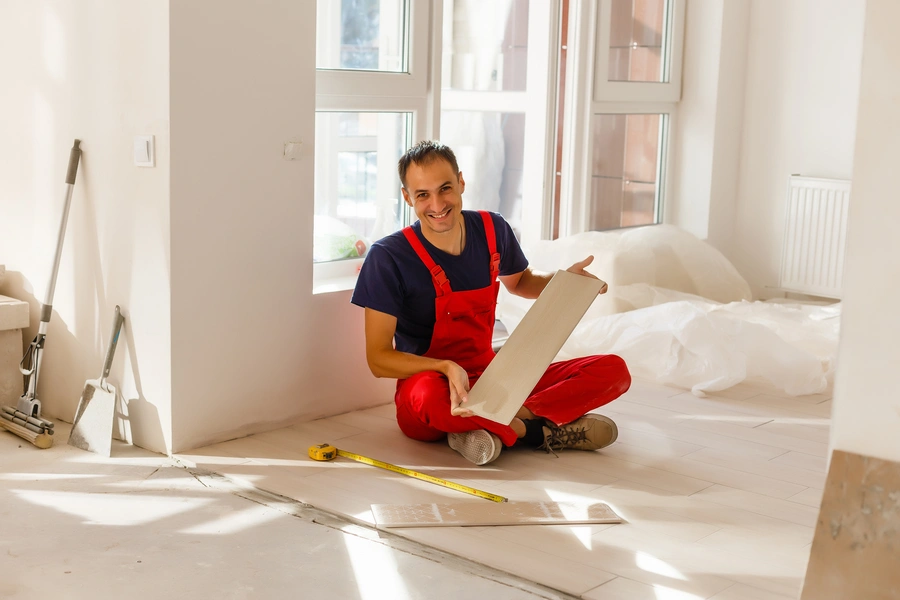
Before any tile work begins, it helps to check the room, the subfloor, and the type of tile being used. This is where many long-term durability gains begin. Different spaces need different materials. A bathroom floor faces moisture. A mudroom gets wet shoes and dirt. A business entry may need extra slip resistance and a stronger setting bed.
You should also think about the service category keyword as part of the larger flooring plan. Even if the space is small, the floor system needs to match how the room is used every day.
- A flat and clean subfloor
- The right tile for the room
- Moisture control where needed
- Strong mortar and grout
- Proper spacing and layout
- Enough time for the floor to cure
If any of these steps are skipped, the floor may look fine at first but wear out faster.
Step-by-Step Process
Each part of tile flooring installation helps improve durability. Here is the basic process and why each step matters.
- Inspect the base. The surface under the tile must be stable. Soft spots or uneven areas can cause movement.
- Clean and level the subfloor. Dust, old glue, and dips can weaken the bond between tile and mortar.
- Add underlayment if needed. In some rooms, a backer board or uncoupling layer helps reduce cracking.
- Plan the layout. A smart layout prevents tiny edge cuts and helps keep pressure balanced across the floor.
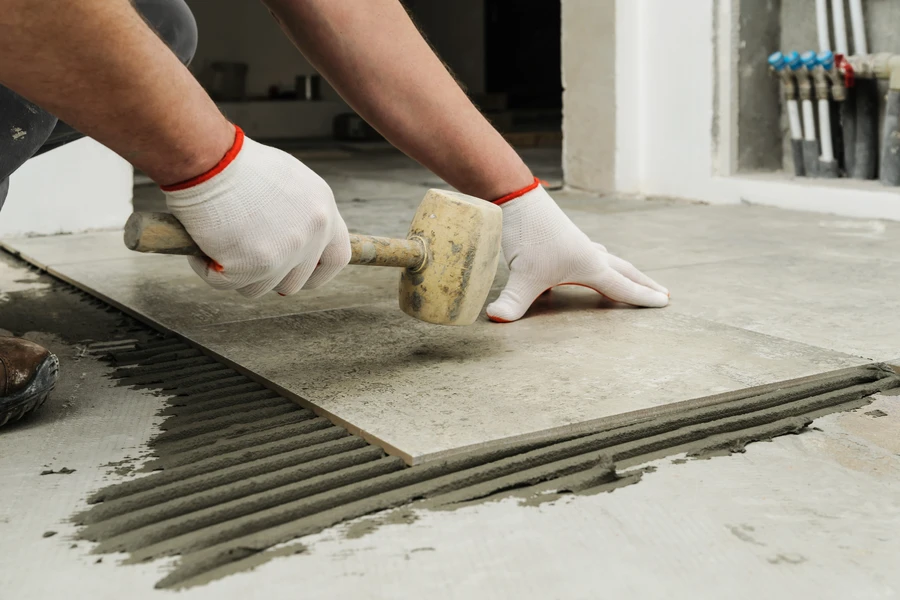
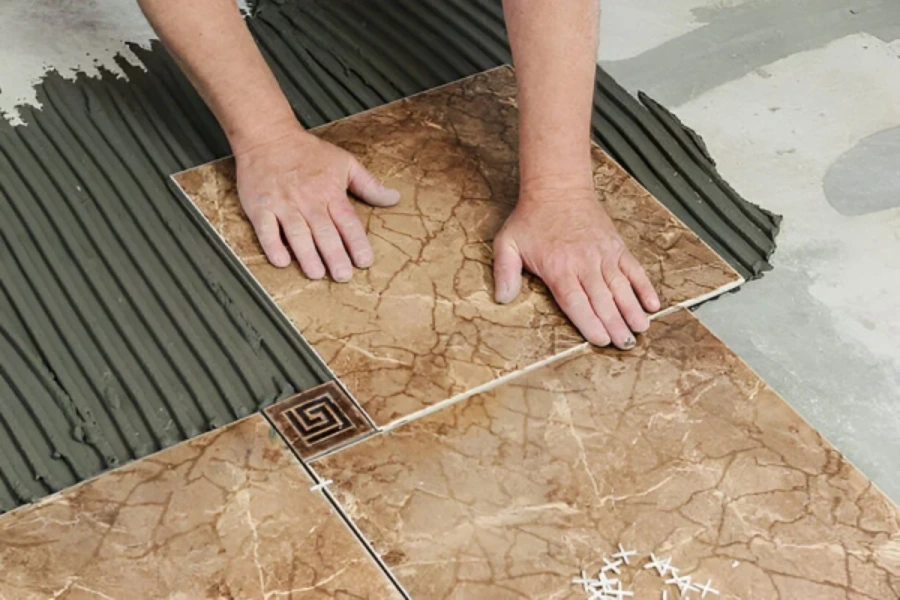
- Set the tile evenly. Full mortar coverage under each tile helps stop hollow spots and breakage.
- Use proper spacing. Even grout joints help the floor shift less and wear more evenly.
- Grout and seal if needed. Grout helps lock the tiles together, while sealers can help protect against stains and moisture.
- Let the floor cure. Walking on the floor too soon can weaken the bond and shorten its life.
When all of these steps are done well, the result is a surface that handles daily use better and keeps its shape longer.
Common Mistakes to Avoid
Some floor problems start during installation, not years later. One common mistake is laying tile over a floor that bends too much. Tile is hard, but it does not like movement. Another mistake is using the wrong mortar for the tile type or room conditions. Large format tile, for example, often needs different handling than small tile.
Rushing also causes trouble. If the installer skips leveling, uses too little mortar, or grouts too early, the floor may end up with weak spots. Poor spacing can lead to uneven stress. Over time, that can cause chips or cracked grout lines.
Another issue is poor moisture control. In wet spaces, water under the tile can damage the base and weaken the floor system. That is one reason careful prep is such a big part of lasting results.
When to Call a Professional
Some small tile jobs seem simple, but durability depends on more than putting tile in place. It may be smart to call a professional when the room has water exposure, an uneven floor, cracked concrete, or heavy daily traffic. Large rooms, detailed patterns, and natural stone also call for more skill.
A pro can spot hidden issues before they turn into expensive damage. That might include movement in the subfloor, moisture concerns, poor layout choices, or product mismatch. In many cases, paying for better planning at the start helps avoid early repair costs later.
This is extra helpful in busy homes and commercial settings, where the floor needs to stay strong even with constant use. A durable tile floor is built layer by layer, not just tile by tile.
Final Recommendation
If you want a floor that lasts, focus on the full process, not only the finish. Good tile flooring installation improves durability by supporting the tile from below, protecting it from moisture, and helping it handle wear day after day. If you want help choosing the right materials or checking the condition of your current floor in Stamford, CT, contact us at (203) 898-4284. At Flores Tiling and Restoration LLC, we can help you plan a tile floor that fits your space and holds up over time.